
The Psychology of Crying While Drunk: Explained
“If you carefully consider the consequences of your actions, it is unlikely getting drunk is going to make you any more aggressive than you usually are,” Bushman added in a statement. If this is you, it’s a great time to change your life and get some help. You can’t change what you’ve done, but you can change what you will do.
WHAT IS ALCOHOLIC RAGE SYNDROME
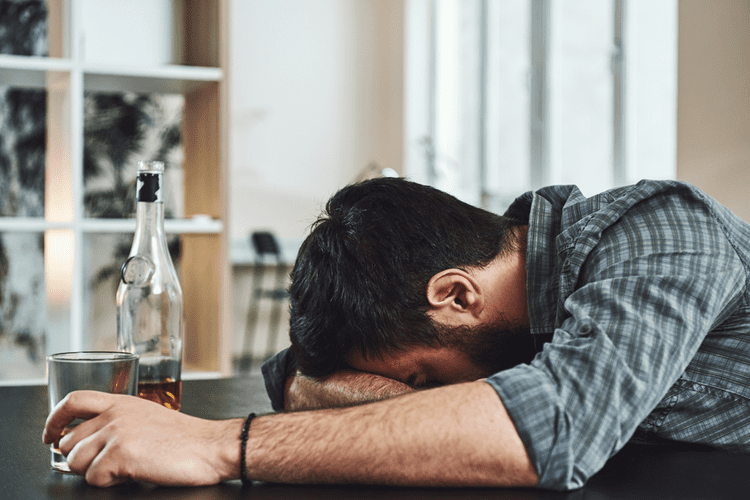
Someone may yell, fight, or damage property, then later remember almost nothing. Alcohol lowers inhibitions, disrupts impulse control, and blocks memory formation. The result can be violence, injury, or legal problems (CDC; NIAAA). Be aware that telling someone to calm down may antagonise them further. This means that you’re not feeding into, justifying or trying to combat the person’s anger, or emotionally engaging with someone who isn’t able to think reasonably. If someone has raised concerns over your drinking behaviours and anger issues, or if you’ve started to worry that alcohol might be a problem for you, now might be the time to change your drinking habits.
Psychological Effects of Ecstasy: Short-Term Bliss and Long-Term Consequences
- Interestingly, there are gender differences in how we respond emotionally to alcohol.
- Suddenly, the person they know and care for is a much different, angrier person — short-tempered, abusive, and often violent.
This can lead to behavior changes like slurred words and stumbling when we are drunk. In the early stages of drinking, when we are just “tipsy,” most of us experience a degree of euphoria. For some people, this state of utter joy persists no matter how much they drink. They might start to slur their words or become less coordinated, but nothing can bring their mood down. You might recognize some of these “types of drunks” in yourself or your friends or family.
Mental unwellness can be associated with abusing alcohol
Aggression refers to a range of behaviors that can result in both physical and psychological harm to yourself, others, or objects in the environment. Research has shown that thought suppression may contribute to alcohol-related aggression. One study supporting this finding enlisted 245 men with a history of heavy episodic alcohol use (Berke et al., 2020). They completed surveys assessing their endorsement of traditional masculine norms, use of thought suppression, and both trait and alcohol-related aggression.
Alcohol is a complex substance that affects multiple neurotransmitter systems, leading to a cascade of effects on our thoughts, emotions, and behaviors. These volunteers engaged in a task that gauged their level of aggression in the face of provocation, which revealed the parts of the brain that become more active in such situations. If you or someone you know has an alcohol or substance use disorder, seeking professional help is the best step forward to help you stay sober. Many people tell themselves they can stop drinking whenever they want, but when someone feels dependent on alcohol, stopping on their own and without any help or support can be extremely challenging. Everyone reacts differently to various types of alcohol, so it can be difficult to pinpoint the exact type of alcohol that makes an individual aggressive. Alcohol can exacerbate underlying mental health symptoms and impair judgment, increasing the risk of impulsive and angry behaviors.
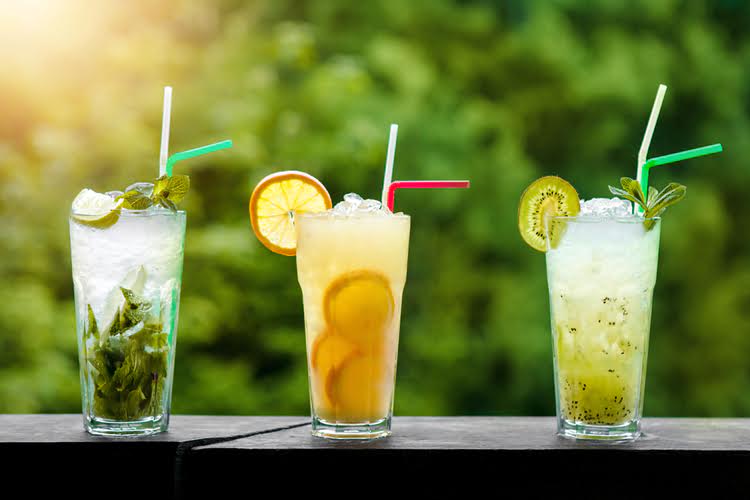
In the meantime, by fostering a culture of awareness, compassion, and responsibility around drinking, we can work towards reducing the harm caused by angry drunk behavior. Denson’s previous research on the angry brain found a lot of overlap in the way the prefrontal cortex behaves when someone is drunk and angry versus when they’re simply ruminating on their anger while sober. In an environment where heavy alcohol consumption is normalized or where aggressive behavior is condoned drug addiction or encouraged, you’re much more likely to exhibit anger and aggression while intoxicated. Developing healthy alternatives to drinking is another crucial aspect of preventing mean drunk behavior. This might involve finding new hobbies, engaging in physical activities, or exploring sober social events.
The Truth Behind Alcohol and Anger
Melody is here to help as you adjust to a life with less (or no) alcohol. Anger is an emotion made up of many different feelings like dissatisfaction, displeasure, hurt, and frustration. It’s a natural human response when life seems unfair or something you value is under threat. Beyond Introvert and Extrovert why do people get angry when drunk Most people have heard of introverts and extroverts—two personality types that… “Alcohol is involved in half of all murders, rapes, and assaults,” said Robert O. Pihl, professor of psychology and psychiatry at McGill University.
Recovering from an alcohol use disorder can be isolating, especially when you consider how widespread drinking culture is in the United States. In a support group, you can meet like-minded individuals who can help make recovery that much easier. When you heavily consume alcohol, your prefrontal cortex becomes damaged, altering your decision-making capabilities. Therefore, people who rely on drinking as a coping mechanism can be more inclined to make rash choices, such as having unprotected sex or getting into a car with a stranger.


Trả lời